
You might be feeling like your finances have slipped out of your control. The credit cards that once felt manageable now feel crushing, collection calls are interrupting your day, and you may be losing sleep wondering how long you can keep this going.
Maybe you have already tried cutting expenses, picking up extra shifts, or borrowing from family, yet the numbers still do not add up.
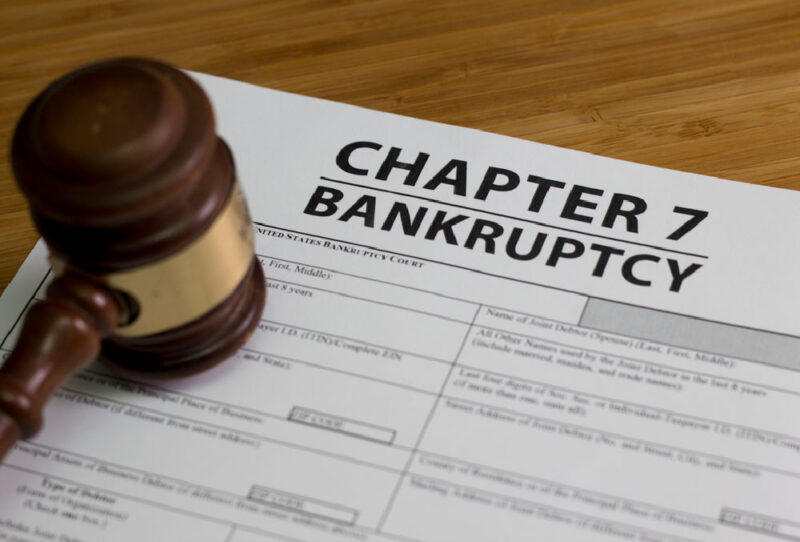
When things reach this point, it is natural to wonder whether Chapter 7 bankruptcy in Orlando and Kissimmee could give you the reset you need. You might also feel uneasy about the word “bankruptcy” itself. That tension is common. You want relief, but you also want to protect your future, your family, and your dignity.
Here is the short version of what you need to know. Chapter 7 is a legal way to erase many unsecured debts and get a fresh start. You must qualify under certain income and asset rules. The process involves filing detailed paperwork with the court, working with a trustee, and following specific steps before your debts are discharged. It is not right for everyone, yet for the right person, it can stop the chaos and create space to breathe again.
So, where does that leave you today? It helps to understand how Chapter 7 works in Central Florida, what the eligibility rules look like, and what the filing process actually involves.
What does Chapter 7 bankruptcy really mean for someone in Orlando or Kissimmee?

Chapter 7 is often called “liquidation” bankruptcy, but that phrase can sound harsher than the reality. In many Florida cases, people keep most or all of their property because of strong exemption laws, especially for a primary home. The core idea is that you file a case in federal court, a trustee is assigned, and qualifying unsecured debts like credit cards, medical bills, and personal loans can be wiped out.
The emotional challenge is that you may feel like filing means you have failed. In truth, people file for all sorts of reasons that have nothing to do with poor character. A sudden job loss in Orlando’s tourism industry, a medical emergency, a divorce, or a failed small business in Kissimmee can push even careful people into a spiral of debt. The law exists because these things happen, and because society recognizes that sometimes people need a reset.
So what is the actual “problem” Chapter 7 is trying to solve? It is the situation where paying minimums only feeds interest, where you are choosing which bill to ignore each month, and where there is no realistic path to catching up within a few years. When that is your reality, keeping up the struggle can cost you more than money. It can wear down your health, your relationships, and your ability to think clearly about your future. Visit a Chapter 7 Business Bankruptcy attorney.
Who qualifies for Chapter 7 bankruptcy, and how do the eligibility rules work?

Because this relief is powerful, there are strict eligibility rules. The main legal test is called the “means test.” It looks at your income and certain allowed expenses to decide whether you qualify for Chapter 7 bankruptcy relief or should consider a different chapter such as Chapter 13.
Here are the key pieces, in plain language.
1. Income compared to Florida median
Your household income is compared to the median income for a household of your size in Florida. If you are below that median, you often qualify for Chapter 7 automatically. If you are above, the analysis continues by subtracting allowed expenses to see what is left over each month.
2. Disposable income and ability to repay
If your disposable income, after those allowed expenses, shows that you can realistically repay a meaningful portion of your debts over time, the court may say Chapter 7 is not appropriate. In that case, a Chapter 13 repayment plan might be considered instead.

3. Prior bankruptcy history
If you received a Chapter 7 discharge in the past, you must wait a set number of years before filing again. The timing rules keep the system fair and prevent repeated misuse.
4. Type of debts
Chapter 7 usually wipes out unsecured debts like credit cards, medical bills, and personal loans. Some debts, such as most student loans, recent taxes, child support, and alimony, typically cannot be discharged. Knowing which debts you have is essential when deciding whether Chapter 7 bankruptcy makes sense.
To get a feel for how these rules apply in Central Florida, you can look at the official court’s general guidance in the Middle District of Florida bankruptcy FAQs. This will not replace tailored legal advice, but it can help you understand the framework you are working within.
What does the Chapter 7 filing process look like from start to finish?

It often helps to picture the process step by step, rather than as one huge, overwhelming event. From Orlando to Kissimmee, the basic sequence is the same, because bankruptcy is governed by federal law.
1. Gathering information and documents
You list your income, expenses, property, and debts. You collect pay stubs, tax returns, bank statements, and bills. This part can feel tedious, yet it is the foundation of an accurate and successful filing.
2. Credit counseling
Before filing, you must complete a credit counseling course from an approved provider. It is usually available online or by phone. You receive a certificate that must be filed with your case.
3. Filing your petition
Your bankruptcy petition and schedules are filed with the federal court that serves Orlando and Kissimmee. The moment the case is filed, an “automatic stay” usually goes into effect. This stay can stop most collection efforts, wage garnishments, and ongoing lawsuits while the case is active.
4. Appointment of a trustee
A Chapter 7 trustee is assigned to your case. The trustee reviews your paperwork, looks for non-exempt assets that could be used to pay creditors, and checks for accuracy and honesty.
5. The 341 meeting of creditors
About a month after filing, you attend a short meeting, often called the “341 meeting.” The trustee asks you questions under oath about your finances and your paperwork. In most consumer cases, creditors do not even show up, but they have the right to attend.
6. Handling any non-exempt property
If you have property that is not protected by exemptions, the trustee may decide to sell it for the benefit of creditors. Thanks to Florida’s exemption laws, many people in Orlando and Kissimmee find that they keep most, and sometimes all, of their everyday belongings.
7. Debtor education and discharge
You complete a second required course, called debtor education or financial management. After that is filed, and assuming there are no objections or complications, the court issues your discharge order. This order wipes out qualifying debts and closes the Chapter 7 journey.
Should you try this alone or work with a bankruptcy lawyer?

Given how personal and technical this process is, you may be wondering whether to file on your own or work with a bankruptcy lawyer. Many people in Orlando and Kissimmee start by comparing the two paths.
| Approach | What it involves | Potential benefits | Common risks |
|---|---|---|---|
| Filing on your own (pro se) | You prepare and file all forms, track deadlines, and speak for yourself at the 341 meeting. | Lower up-front cost. Direct control over every detail. May work in very simple cases with few debts and assets. | Risk of paperwork errors, missed exemptions, or missed deadlines. Higher chance of case dismissal or losing property you could have protected. |
| Working with a bankruptcy lawyer | An attorney reviews your situation, explains options, prepares filings, and attends the 341 meeting with you. | Guidance on eligibility, exemptions, and alternatives. Reduced stress. Better chance of a smoother discharge. | Attorney fees. Need to choose someone you trust and communicate well with. |
If you want more background on what Florida expects of attorneys who help with consumer bankruptcy and debt issues, the Florida Bar’s consumer pamphlet on credit and debt can give you useful context.
Three concrete steps you can take right now
1. List out your full financial picture
Sit down with a notepad or spreadsheet and list every debt, every source of income, and every regular monthly expense. Include credit cards, medical bills, personal loans, tax debts, child support, and anything else you pay or owe. This does two things. It gives you clarity, and it gives any professional you speak with a clear starting point.
2. Check your likely eligibility for Chapter 7
Look at your average income from the last six months and compare it to what you know about Florida median income levels for your household size. You do not need exact numbers to get a general idea. If you are far below the median, Chapter 7 may be more accessible. If you are above, you may still qualify, but the analysis is more detailed. Either way, knowing where you stand will help you ask sharper questions.
3. Have a focused conversation with a professional
Even a brief consultation with a bankruptcy attorney can clarify whether Chapter 7 bankruptcy is right for you or whether a different solution makes more sense. Before you meet, prepare a short list of questions. For example, “What property would I risk losing,” “How would this affect my credit over time,” and “Are there non-bankruptcy options that I should consider first.” Clear questions lead to clear answers, and that can reduce a lot of the fear you may be carrying.
Finding your footing again after financial overwhelm
If you are reading about Chapter 7 bankruptcy in Orlando and Kissimmee, chances are you have already carried this stress for quite a while. You may feel embarrassed, angry, or simply exhausted. Those reactions are human. They do not disqualify you from relief, and they do not define your future.
The real question is not whether you made every perfect decision in the past. It is whether you are ready to look your situation in the eye and choose a path that gives you the best chance at stability. For some, that path will be Chapter 7. For others, it will be a different form of debt relief or a negotiated workout with creditors.
You do not have to figure this out in one night. Start with information, then move toward guidance, then make a decision that supports your long term well being. With the right understanding of eligibility rules, the filing process, and the role a bankruptcy lawyer can play, you can move from confusion toward a clearer, calmer next chapter.