

Skipping a dental checkup may seem harmless when your teeth feel fine and nothing hurts. Many oral health problems, however, can develop quietly for months or even years before pain appears.
Cavities can grow beneath the surface, gum inflammation can worsen gradually, and small structural problems can become harder to repair.
Routine dental visits give a dentist an opportunity to identify these issues while treatment is still relatively simple.
Delaying care can change both the type of treatment you need and how much you ultimately pay.
Small Cavity to Root Canal or Extraction
Early tooth decay is usually easier and less expensive to treat.
Regular examinations at Tannlege Team can help identify decay before it progresses to the point where more extensive treatment is needed.
A small cavity may require only a filling when it is detected before decay reaches the inner layers of the tooth.
Waiting allows decay to progress toward the pulp, where nerves and blood vessels are located. Once that happens, treatment may involve a root canal followed by a crown. Severe damage can make extraction necessary.
Cost differences can become substantial. A filling costing around $200 can potentially turn into treatment costing about $2,000 when decay is allowed to progress.
A real-world example shows how quickly delayed care can increase treatment needs.
One patient returned after three years without dental visits and required two crowns for cavities that could previously have been treated with simple fillings.
Pain also does not provide a reliable timeline. By the time a cavity begins causing significant discomfort, damage may already be extensive enough to require more complicated treatment.
Plaque and Bleeding Gums to Gum Disease
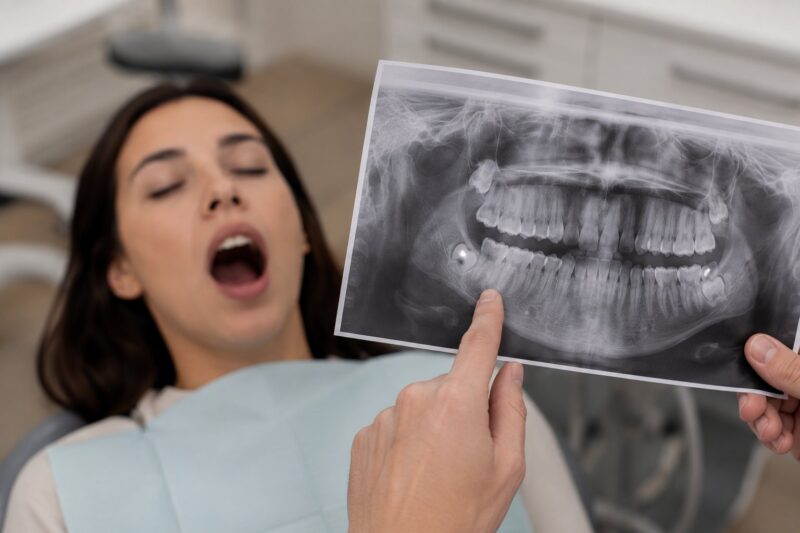
Daily brushing and flossing help control plaque, but some areas are difficult to clean thoroughly at home. Plaque that is not removed can harden into tartar, which generally requires professional cleaning.
Early gum inflammation may cause redness, swelling, tenderness, or bleeding during brushing.
Prompt professional care combined with consistent oral hygiene can often control the problem before significant tissue damage develops.
Without treatment, gum disease can progress and affect tissues supporting the teeth.
- Scaling and root planing to clean below the gumline
- Medication to help control bacterial infection
- Periodontal procedures when gum and bone damage becomes more serious.
One patient who went three years without routine dental care developed early gum disease in four areas of the mouth and required scaling and root planing.
Ignoring bleeding gums can therefore lead to much more than occasional irritation.
Progressive periodontal disease can damage gum tissue and supporting bone, increasing the risk of loose teeth and tooth loss.
Minor Tooth Damage to Major Repair
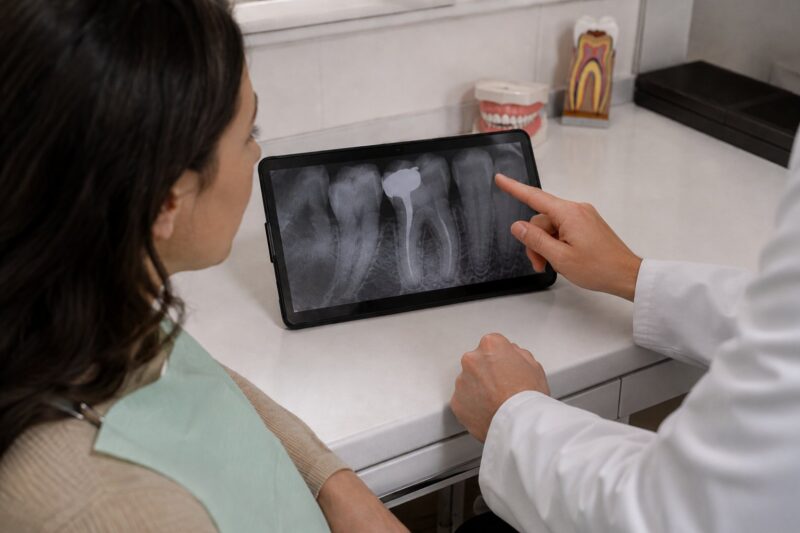
Not every dental problem begins with obvious pain. Routine examinations can reveal early structural changes that are difficult to detect without professional evaluation.
Dentists may identify small cavities beneath existing fillings, worn enamel, cracked restorations, bite problems, or signs of nighttime grinding before those issues cause major symptoms.
Sports injuries can also cause chipped, cracked, or displaced teeth, which is why proper management of sports injuries should include attention to possible dental trauma.
A small damaged filling, for example, may initially require a straightforward replacement. Continued stress on the tooth can allow cracks or decay to spread, eventually making a crown or root canal necessary.
Grinding provides another example. Repeated pressure can gradually wear enamel, create fractures, and place stress on restorations.
Early detection gives a dentist a chance to recommend treatment before extensive tooth damage develops.
Regular examinations can therefore reduce the likelihood that a minor repair becomes a major restorative procedure.
Untreated Infection to Dental Emergency
Decay that reaches the tooth’s pulp can allow bacteria to infect the nerve and surrounding tissues. At that point, discomfort may increase quickly and emergency dental care may become necessary.
An untreated dental infection can potentially spread into surrounding areas, including the jaw and facial tissues. Severe infections can also affect overall health if bacteria spread through the bloodstream.
Warning signs that should not be ignored include increasing pain, facial swelling, fever, pus, a bad taste in the mouth, or significant sensitivity that does not improve.
Delayed routine care can also allow problems with wisdom teeth to progress unnoticed. In one three-year case, a patient developed a wisdom-tooth infection that required surgical extraction.
Earlier monitoring could have identified the problem before it reached that stage.
Emergency treatment often means dealing with pain, infection, and more complicated procedures at the same time.
Regular checkups reduce the chance that a developing problem is first discovered during an urgent situation.
Financial Cost of Waiting

Preventive dental care generally costs less than treating advanced disease.
Skipping routine visits may save money in the short term, but that saving can disappear quickly when several treatments become necessary at once.
- A small cavity may need a basic filling, while advanced decay may require a root canal and crown.
- Early gum inflammation may improve with professional cleaning and better home care, while periodontal disease may require scaling and root planing.
- Minor tooth damage may need a simple repair, while extensive damage may require a crown or extraction.
- Early infection can sometimes be addressed before severe symptoms develop, while advanced infection may lead to urgent treatment or surgery.
Financial consequences can extend outside the dental office as well. Patients may lose work hours, miss school, pay for urgent care, schedule several appointments, or face additional expenses related to medication and recovery.
A 2025 study found that 20.2% of young adults who had not recently visited a dentist used emergency room or urgent care services for dental conditions considered manageable through routine dental care.
Insurance can make preventive visits even more economical.
Many dental plans cover two preventive appointments each year at little or no direct cost to the patient, although benefits vary by individual policy.
Skipping covered preventive care can therefore mean giving up an opportunity to catch problems early while later paying substantially more for restorative or emergency treatment.
FAQs
Summary
Dental problems rarely become simpler or less expensive when treatment is postponed. Small cavities can lead to root canals or extractions, bleeding gums can progress into periodontal disease, and untreated infections can become dental emergencies.
Checkups about every six months are commonly recommended for many patients, although individual schedules should depend on oral health, dental history, and personal risk factors.
Consistent preventive visits give dentists a chance to catch problems while treatment is more likely to be straightforward, less invasive, and more affordable.