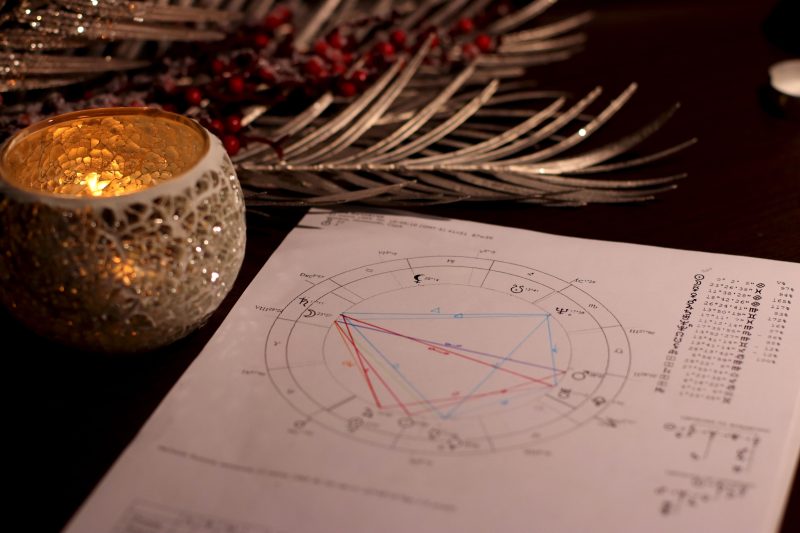
When people look up their birth chart for clues about love, they often head straight to Venus. That makes sense: in astrology, Venus symbolizes attraction, pleasure, affection, aesthetics, and the values that shape what feels worth choosing. But it is not a cosmic dating profile, and it cannot tell you exactly whom you will love or how a relationship will unfold. Read more thoughtfully, it offers a vocabulary for asking what helps you feel wanted, comfortable, and met.

That distinction matters. A chart is most useful as a prompt for reflection, not a verdict about your romantic fate. Here is how astrologers commonly read natal Venus-and how to keep that reading grounded in your own lived choices.
Venus is about more than romance
In Western astrology, Venus is associated with how we give and receive affection, what we enjoy, and what we find beautiful or valuable. That can show up in romantic intimacy, but also in friendship, creative life, sensual pleasure, and the small courtesies that make everyday connection feel warm. NASA notes that the planet takes its name from the Roman goddess of love and beauty; astrology builds symbolic meaning from that cultural association, rather than from a demonstrated planetary effect on personality.
So Venus is not simply “your love style.” It can point toward the conditions in which you relax into closeness: steady reassurance, lively conversation, shared adventure, practical care, or room to breathe. The useful question is not whether a sign description fits you perfectly. It is which parts make you recognize a desire you have-and which parts do not.
Start with the sign, but don’t stop there
Your Venus sign gives astrologers a symbolic style for affection and pleasure. As broad examples, Venus in Taurus is often read through comfort, consistency, and the senses; Venus in Gemini through curiosity and exchange; Venus in Scorpio through emotional depth and trust. These are interpretive shorthand, not rules. A person with Venus in Scorpio is not destined to be jealous, and a person with Venus in Gemini is not incapable of commitment.
I think sign-only readings are where astrology content most often gets reductive: they turn a layered chart into twelve personality stereotypes. If a description sounds familiar, use it to ask a better question. Does “needs consistency” mean you value reliability, or that uncertainty currently feels unsafe? Those are very different insights, and the sign alone cannot decide between them.

The house shows where Venus wants to bloom
In a birth chart, the house containing Venus is traditionally read as an area of life where pleasure, harmony, or connection may become especially meaningful. Venus in the fifth house is often associated with play, romance, and creative self-expression; in the seventh, partnership and one-to-one exchange; in the eleventh, friendship and community. House interpretations depend on the chart system and accurate birth details, so treat them as a map’s broad labels, not a fixed itinerary.
This layer can complicate the obvious reading in an interesting way. Someone may have a Venus sign associated with independence but Venus in a house linked with partnership-or the reverse. Rather than trying to force a single description, notice the tension: perhaps you want closeness and also need your own space. A useful reading makes room for both needs instead of declaring one of them false.
Aspects explain the friction-and the nuance
Astrologers also examine aspects, or the angular relationships between Venus and other chart points. A Venus-Saturn aspect, for instance, is often interpreted through caution, commitment, or concern about being valued; Venus-Mars contacts may bring questions of attraction, pursuit, and desire; Venus-Uranus contacts may highlight freedom or novelty. The meaning is not universal, and the rest of the chart changes the context.
Here is the part many quick readings skip: a challenging interpretation need not mean something is wrong with you. “Guarded” could describe discernment, a learned protective habit, or simply a preference for taking time. No placement excuses controlling behavior or obliges anyone to tolerate it. I would read a difficult aspect as a conversation starter-what does this pattern protect, and what might it cost?-not as a diagnosis.
Turn a placement into a real-life question
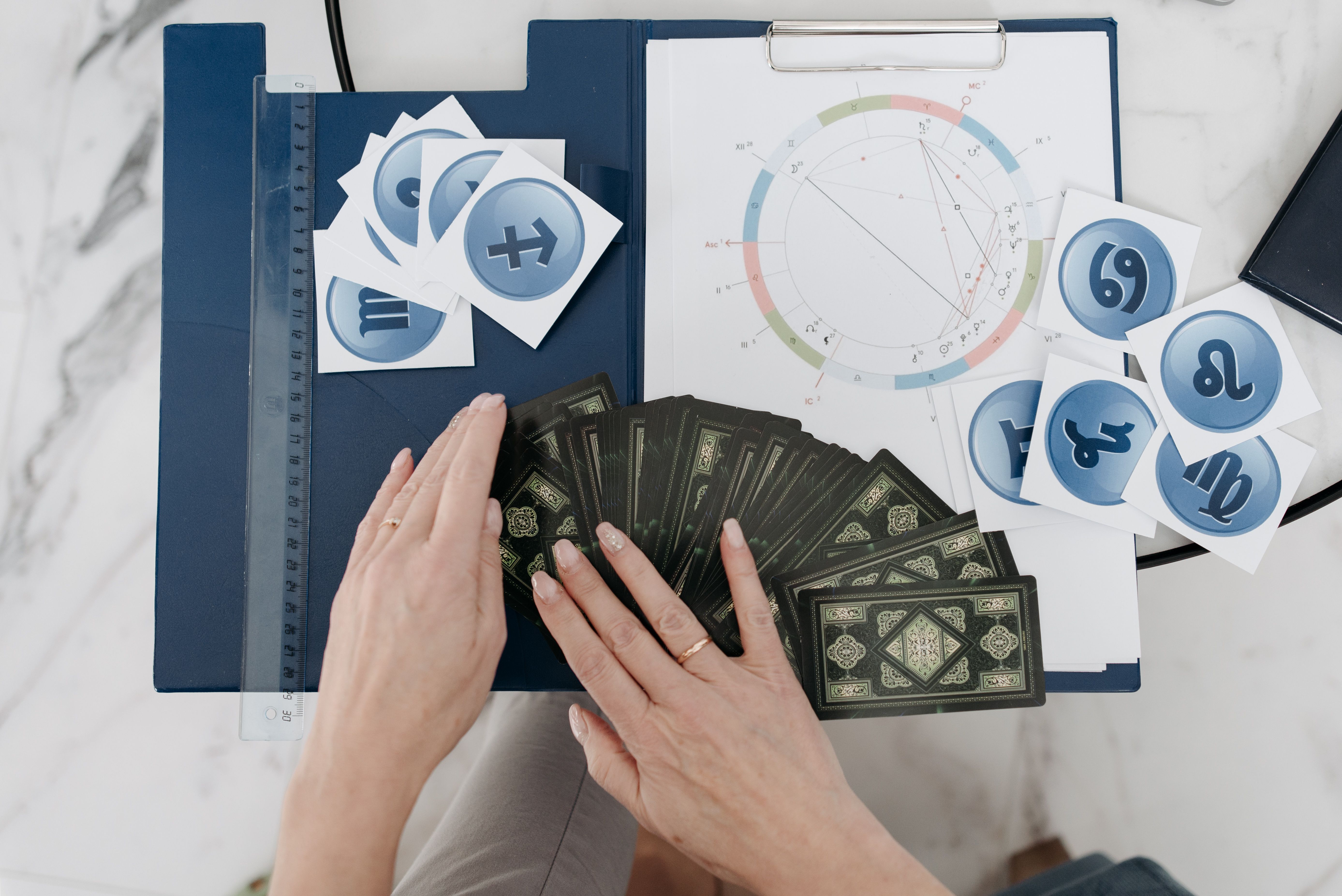
For a practical reading, look up your Venus sign, house, and major aspects in a chart calculator or consult an astrologer who explains their reasoning. Astro.com’s Venus overview offers one traditional account of the planet’s symbolism. Then translate the interpretation into observable questions:
- What kinds of affection make me feel cared for rather than merely admired?
- Do I communicate my preferences, or expect someone to infer them?
- When I want closeness, what boundary or reassurance helps me feel safe?
- Which pleasures do I genuinely value, apart from what I think should impress a partner?
These questions can be useful whether you are single, partnered, dating casually, or rethinking what intimacy means to you. A birth chart cannot tell you whether to seek a partner, date casually, or explore adult companionship; if you are considering a local option such as escort München, let your own preferences, clear boundaries, and consent guide that decision. Astrology should not make it for you.

A symbol, not a scientific test
There is an important limit to keep in view: astrology’s claims about personality have not been established as scientific fact. The University of California Museum of Paleontology’s discussion of astrology and scientific testing explains that tests of astrological expectations have not supported their validity. That does not stop someone using a chart as a cultural or personal reflection tool, but it does mean Venus should not replace honest conversation, evidence about a partner’s behavior, or professional support when needed.
The deepest desire Venus can reveal is not a prediction hidden in the sky. It is the desire you may have been too vague, self-conscious, or accustomed to minimizing to name plainly: to be pursued, to be trusted, to be met with tenderness, to have room, or to enjoy what you enjoy without apology. If your chart gives you language for that, use it. Then bring the insight into the real relationship, where listening and choice matter more than symbolism.